
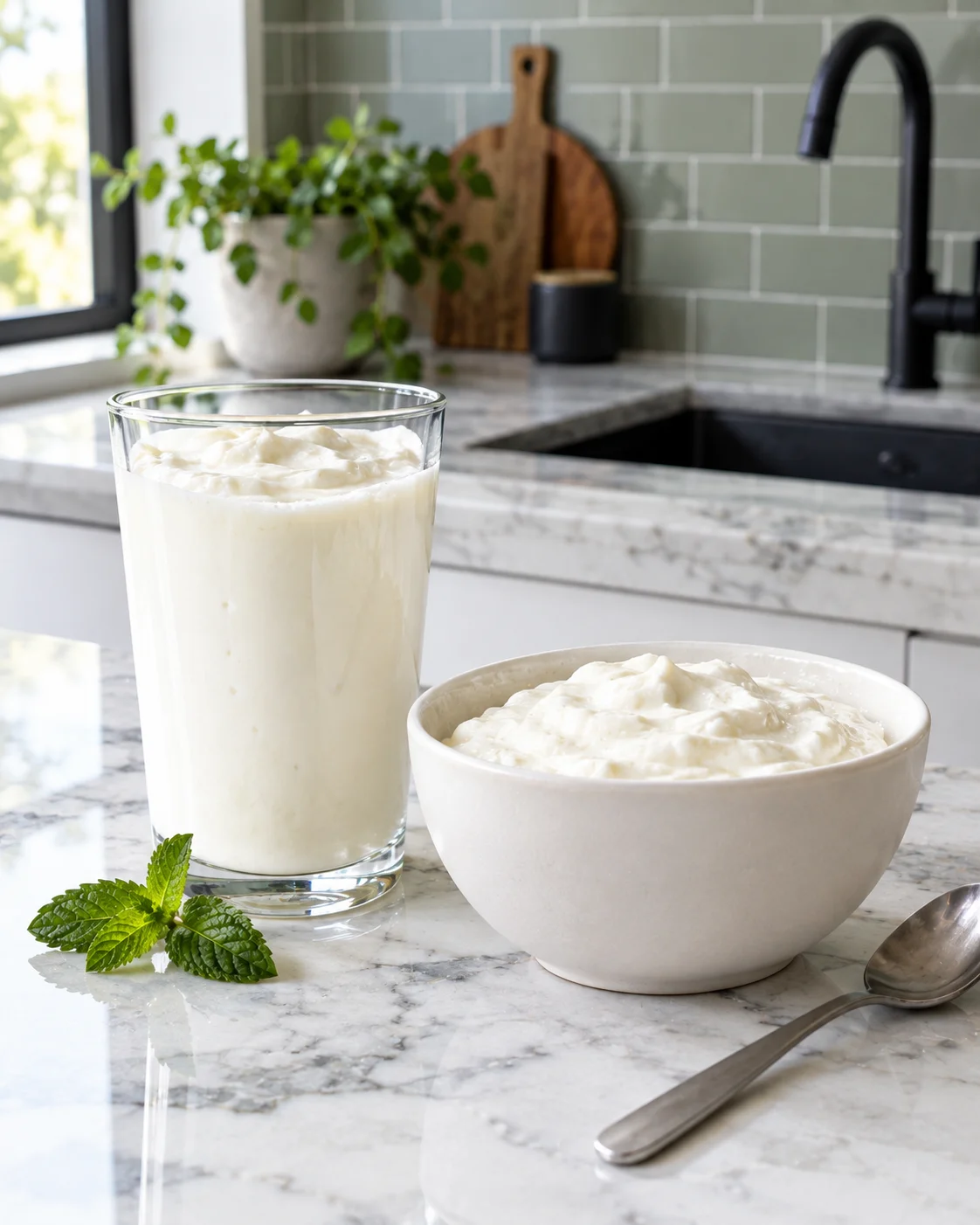
If you grew up in a South African home, chances are you know amasi: the thick, tangy, slightly sour fermented milk that has been part of Nguni, Sotho and Tswana kitchens for generations. Traditionally, fresh milk was left in a calabash or clay pot to ferment naturally, giving it that creamy texture and sharp taste.
Today, it's popping up in fitness conversations too, and for good reason. Here's what amasi can do for you as someone who trains.
1. It's a solid source of protein
Like other dairy, amasi contains protein, which your muscles need to repair and rebuild after training. A glass after a workout, or amasi with your meal, is an easy way to add to your daily intake without cooking anything.
2. It supports gut health
Amasi is a fermented food, which means it can contain beneficial bacteria. A healthy gut helps you digest and absorb the nutrients in the food you eat, and that matters when you are training hard and eating to fuel it. Keep in mind that not every amasi is the same. Homemade and traditionally made amasi usually contains live cultures, while some store-bought brands may not. Check the label for "live" or "active" cultures.
3. It gives your bones a boost
Calcium and other minerals found in dairy support strong bones and healthy muscle function. For anyone doing running, jumping or weight-bearing exercise, this is a nutrient worth paying attention to.
4. It may be easier on the stomach than fresh milk
During fermentation, bacteria break down some of the lactose (the natural sugar in milk). Many people who find fresh milk heavy on the stomach tolerate fermented dairy better. This isn't true for everyone, so start with a small amount and see how your body responds.
5. It's versatile
Amasi is not just for drinking. Here are a few easy ways to enjoy it:
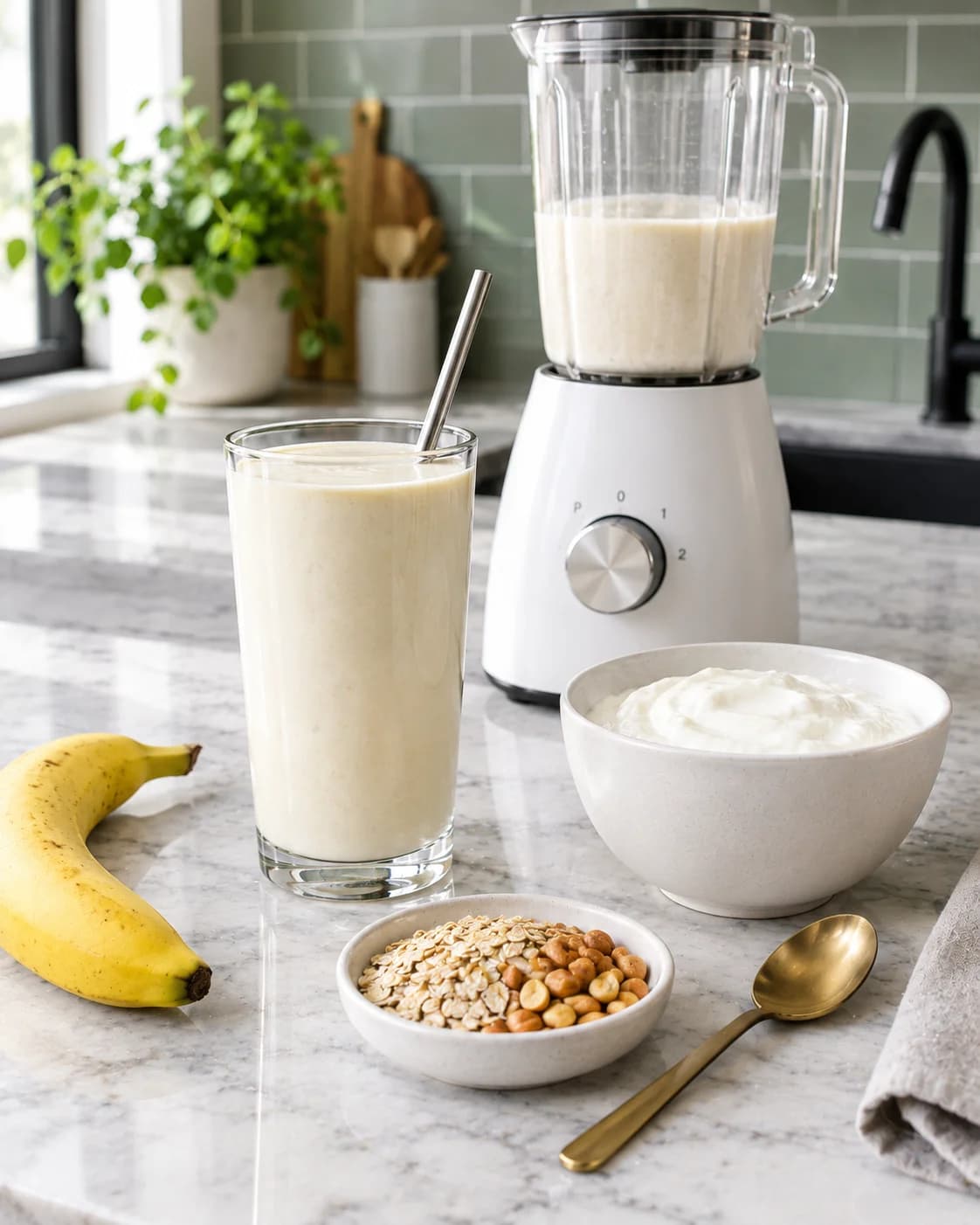
Straight from the glass: Cold, as a refreshing post-workout drink. With pap: Stirred into soft or crumbly pap for a classic, filling meal. In a smoothie: Blended with banana and a spoonful of peanut butter. As a dip or dressing: Mixed with herbs, garlic and a pinch of salt. As a breakfast bowl: Topped with fruit, nuts or seeds in place of yoghurt.
What to look for when buying
Choose plain, unsweetened amasi and avoid flavoured versions with added sugar. Check for live cultures on the label. Look for low-fat or full-cream depending on your goals, but remember that full-cream has more energy, which can be useful if you are training heavily.
A quick note
Amasi is dairy, so it isn't suitable for anyone with a milk allergy, and people with lactose intolerance should try it carefully. If you have a medical condition or specific dietary needs, speak to a registered dietitian.
The bottom line: amasi isn't a miracle food, but it is a practical, affordable and culturally rooted way to add protein, calcium and gut-friendly bacteria to your day. Sometimes the best "new" nutrition trend is something our grandmothers have been serving for generations.
Have you grown up drinking amasi? Tell us how your family enjoys it in the comments below.



Be the first to share your thoughts.