
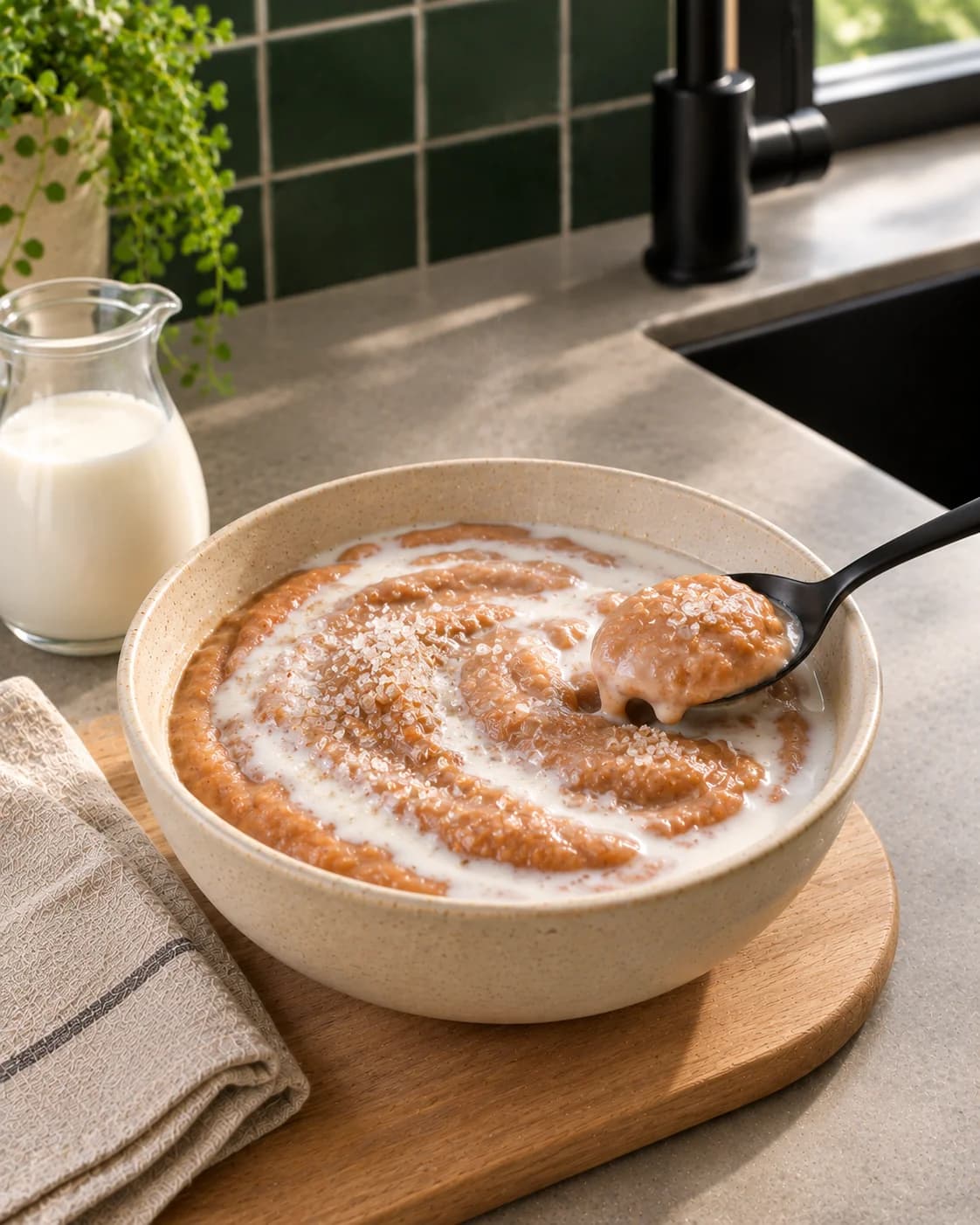
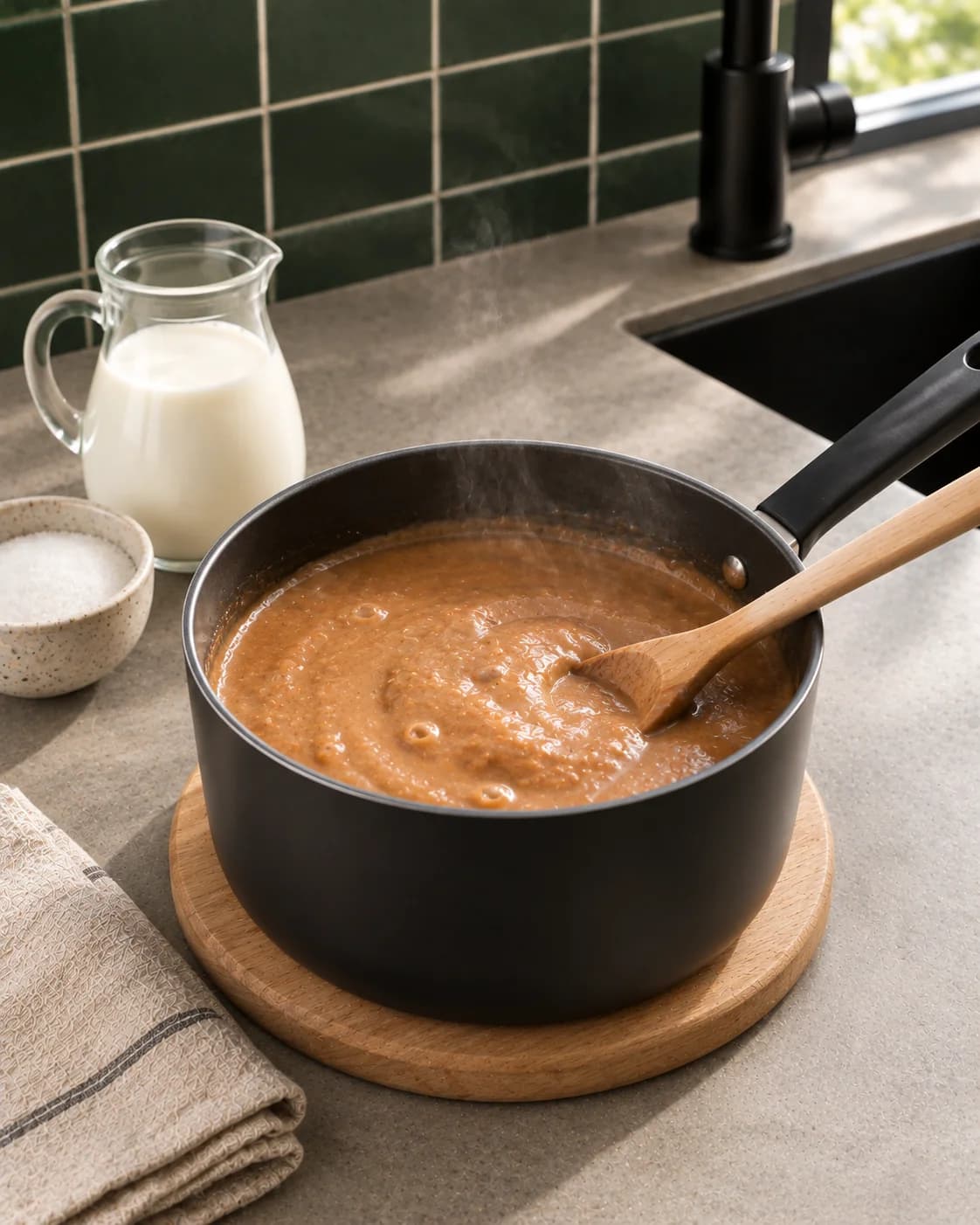
Mabele, also known as sorghum, is one of Africa’s oldest cultivated grains, and it has been cooked into porridge in South African homes for generations. It’s thick, earthy and filling, and it makes a great base for a modern breakfast bowl. If your morning routine includes early training sessions, here’s why mabele deserves a place in it.
1. It gives you slow-release energy
Mabele is a whole grain, which means it digests more slowly than refined cereals. A bowl before a morning session or after it gives you steadier energy rather than a quick spike and crash.
2. It’s naturally gluten-free
Sorghum doesn’t contain gluten, which makes it a useful whole-grain option for anyone avoiding wheat, barley or rye. If you have coeliac disease, check the packet to confirm the meal is 100% sorghum and has not been mixed or processed with gluten-containing grains.
3. It’s packed with fibre
Fibre keeps you full for longer, supports healthy digestion and helps your gut work well, which matters when you’re eating enough to fuel your training.
4. It contains plant protein
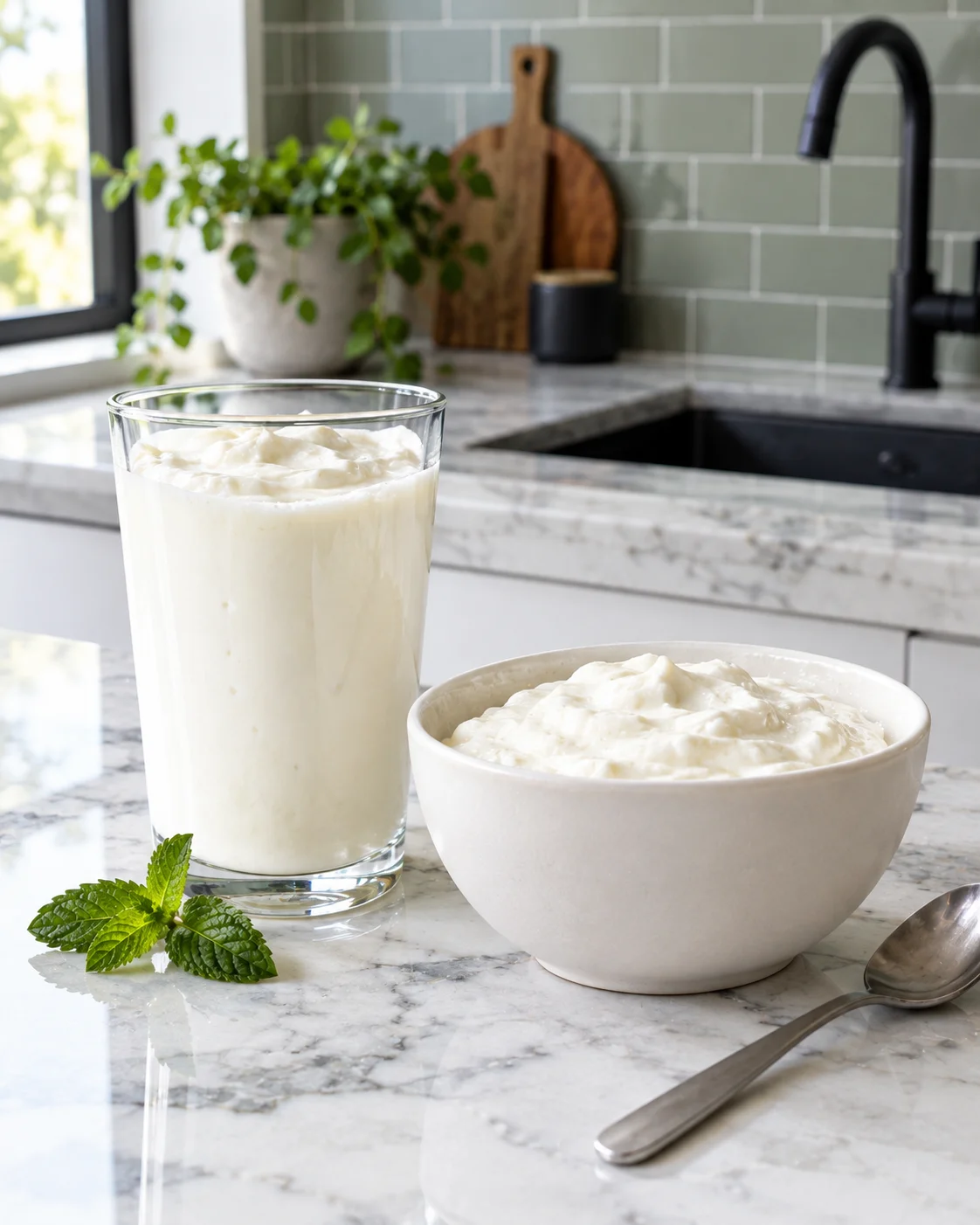
Mabele provides some plant protein, but not as much as you’d get from eggs, yoghurt or beans. To make your bowl work harder for recovery, add a protein topping, such as amasi, yoghurt, nuts or seeds.
5. It brings in minerals
Sorghum contains iron and magnesium, along with other minerals. Iron supports oxygen transport in the body, and magnesium plays a role in muscle function and energy production. The iron in grains isn’t absorbed as easily as the iron in meat, so a handful of fruit with vitamin C on top is a smart addition.
How to build your mabele bowl
The base: Cook mabele porridge until thick and smooth, following the instructions on the packet. The protein: Add a spoonful of amasi or plain yoghurt. The fruit: Top with fresh berries, banana or chopped apple. The crunch: Add nuts, pumpkin seeds or sunflower seeds. The sweetness: Finish with a small drizzle of honey, or leave it out.
Make it work for a busy week
Cook a batch: Make enough for 3 to 4 breakfasts and keep it in the fridge. Reheat well: Add a splash of water or milk when reheating, as the porridge thickens as it cools. Prep your toppings: Portion nuts and seeds into small containers so you can build a bowl in two minutes.
A few tips before you cook
Stir often: Mabele can stick and form lumps, so stir often while cooking. Expect an earthy taste: The flavour is nuttier and slightly more earthy than maize porridge. Toppings like fruit and amasi balance it nicely. Watch the sugar: Pre-sweetened or flavoured porridge mixes can contain a lot of added sugar. Plain meal gives you control. Start small: If you’re not used to a lot of fibre, build up gradually.
The bottom line
Mabele isn’t a miracle grain, but it’s a practical, filling and affordable way to add whole grains, fibre and minerals to your mornings. It’s proof that some of the best “new” breakfast ideas are the oldest ones.
Have you tried mabele porridge? Tell us how you like yours in the comments below.
Be the first to share your thoughts.