
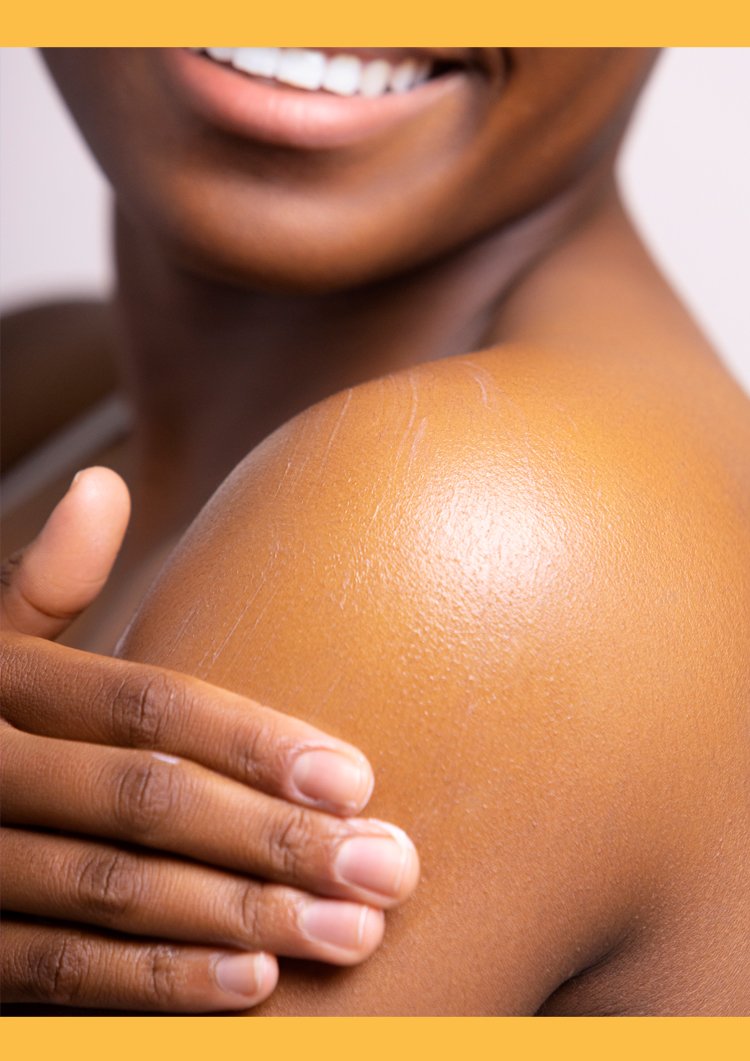
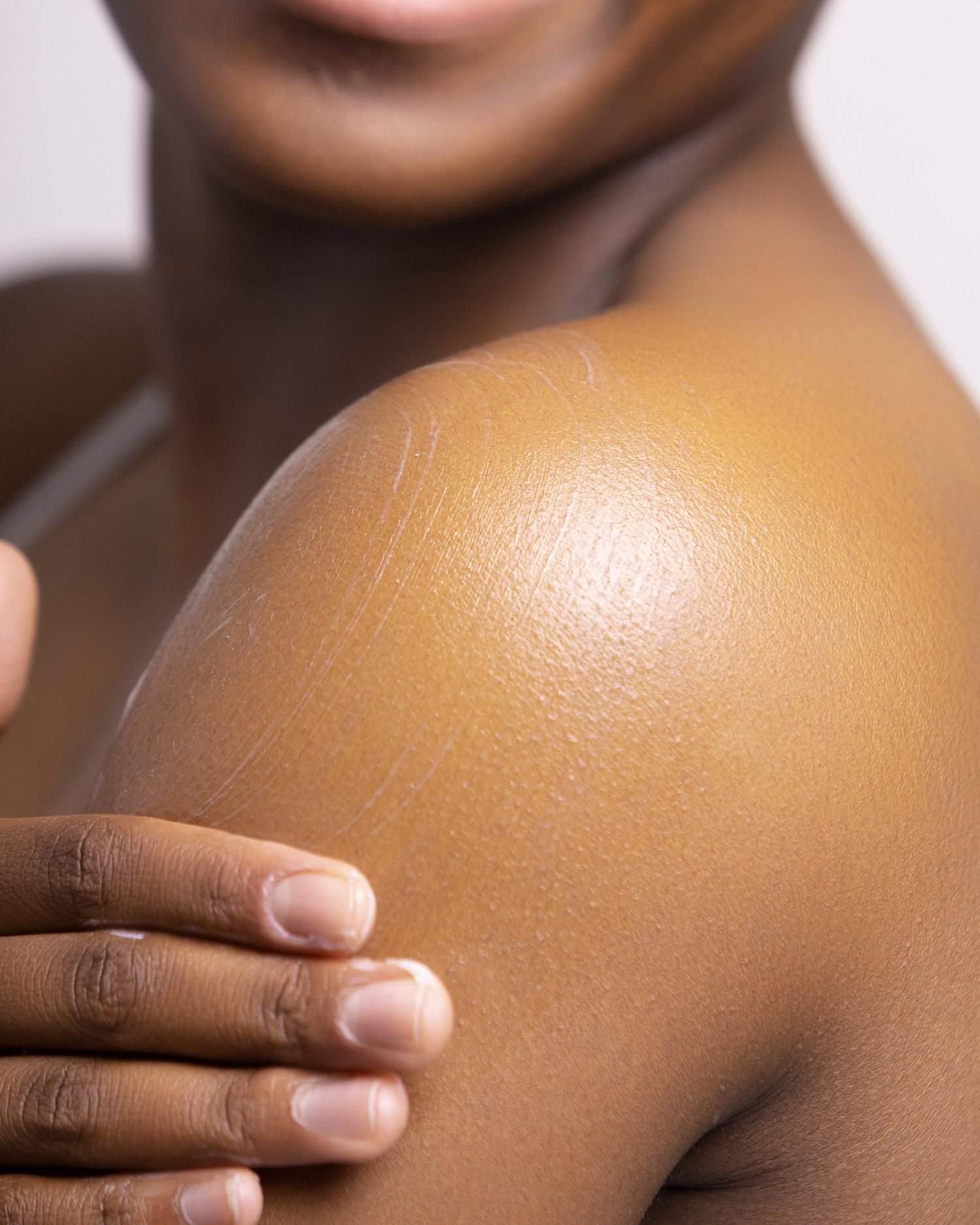
Our bodies, just like our faces, need care and protection from the elements. However, when we think of skin care, we most likely consider the skin from the neck down with secondary importance. But your skin includes what covers your body as a whole, it is your body’s largest organ and it pays to take time to figure it out. Here are some tips that dermatologists use when assessing skin products for individuals.
First and foremost: moisture. Body cream or lotion maintains the moisture of your skin, preventing your skin from cracking and itchiness which could lead to skin infections and roughness. On a busy morning, for example, you might be tempted not to lotion your legs because “nobody will see them anyway”. Regardless of who sees, dryness makes your skin more susceptible to tears such as stretch marks that don’t appear suddenly but over an extended period of time. Ensuring that your skin is moisturized can go a long way.
This leads to knowing your skin type. It doesn’t help you to apply a cream or lotion that does work for your skin. Is your skin oily, balanced, dry, or very dry. How long does it take for moisture to leave your skin after showering or throughout the day?
Don’t assume that your face is going to be the same type as the rest of your body. It is most likely that you will have to have different creams for your body and face. If your skin is very dry, water-based formulas will evaporate in just a few hours, unlike for people with more balanced skin, so seek an oil-based formula. Generally, when choosing for your skin, consider the concentration of emollients, humectants, and occlusives. Generally, the ingredients with the highest concentration are listed first and the least is listed last.
Emollients are responsible for making your skin feel softer and more supple. Think of emollients like you would a skin conditioner. Examples are mineral oil, coconut and jojoba oil, and zinc oxide. If your skin is dry or very dry, look for higher concentrations of emollients in your ingredients list.
Humectants draw water from the environment into your skin and locks it there. Glycerin is a common humectant. Some lotions have honey in their formula too. If you have moderate to dry skin, these ingredients will likely suit you. Lotions with humectants in them tend to be more lightweight and not so thick and oily.
Occlusives are thicker and heavier ingredients like waxes, petrolatum, or butters. They form a sealing layer on top of your skin that traps the moisture, slowing down the rate at which the moisture evaporates. If you have very dry skin, avoid wiping your skin bone dry after a shower. Pat it so that there is still a little moisture left, and then apply the cream to lock that moisture in.
Moisturizing your body should be done at least once a day and it is best applied after a shower. Now that you know which ingredients work better for your skin, review the ingredients when you go shopping for a more suitable product.
Please note that this is general information and not professional advice. Please consult with a specialist if you would like to apply these tips, especially if you have sensitive or problematic skin.
Images Shot by@72_photography
Model Liz (https://www.instagram.com/elizadumsfit/ )
If you liked this feature please do share it on social media and leave a comment below we would love to hear your thoughts on this subject.
Side Bar Ad