
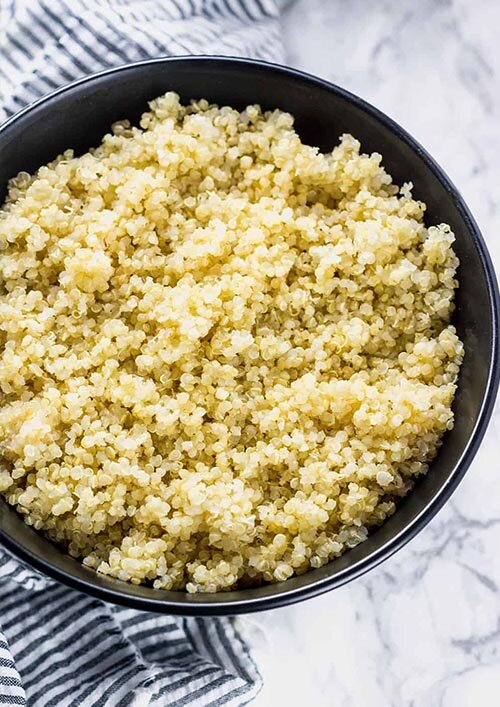
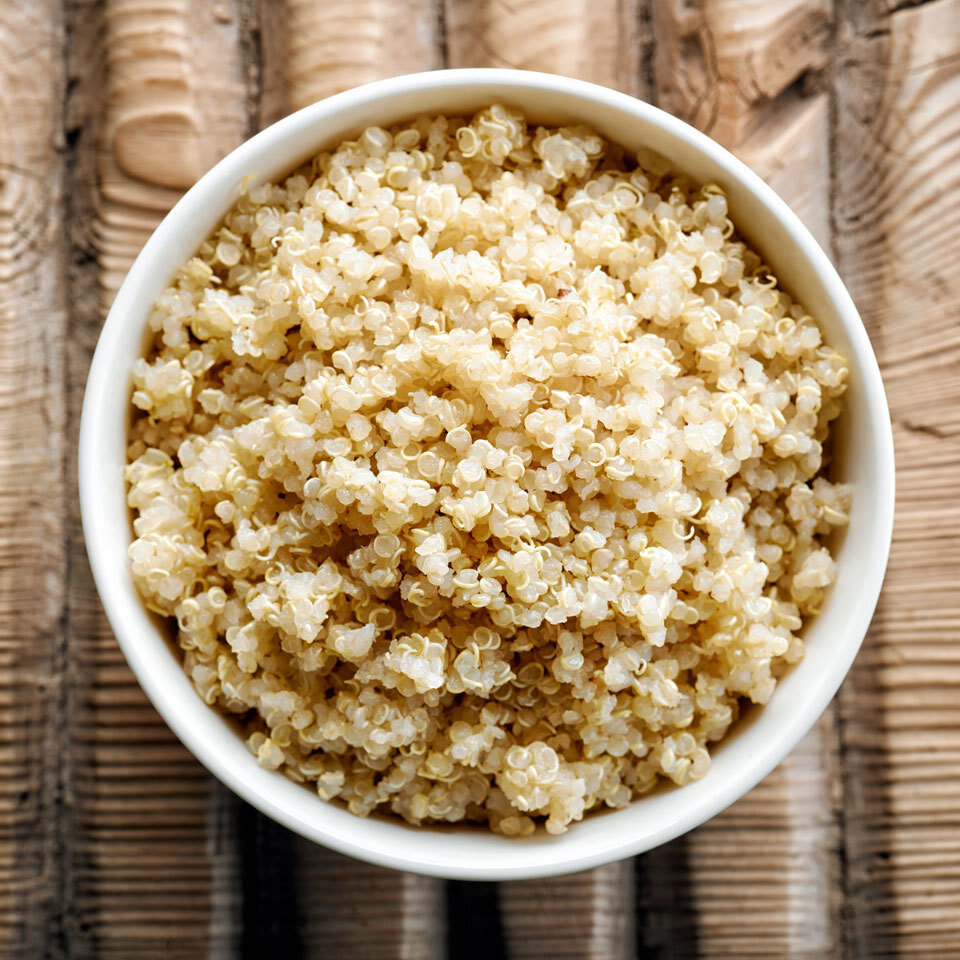
What Is Quinoa?
Quinoa is similar to a whole grain but it is actually not. It’s from a weed-like plant called goosefoot which is closely related to beetroot and spinach. It is prepared like brown rice and is a whole grain.
Quinoa is considered one of the ancient grains, which means it has been eaten all around the world for thousands of years. It’s the healthier substitute alternative for white rice and pasta and is a source of complete rare plant proteins.
Nutrition and Benefits
Quinoa contains complete protein and provides essential amino acids, something that is rare in any plant product. One cup of cooked quinoa contains 222 calories and 4 grams of fat; there are 39 grams of carbohydrates, 5 grams of fiber, and 8 grams of protein.1 It has 15 percent of the daily value for iron and is also a good source of calcium, magnesium, and vitamin E.
Quinoa is also a gluten-free and cholesterol-free whole food, naturally kosher, and often effortlessly organic. The natural saponin coating repels bugs and birds, so growers rarely need to depend on chemical pesticides.
Varieties
Quinoa grows in many different colors, but white, red, and black seeds are the ones most commonly harvested for consumption, and they each have their own culinary nuances. White, the most common variety, takes the shortest amount of time to cook. Of the three it has the least crunchy texture and mildest flavor. Red comes on a bit stronger in both the flavor and crunch factors while also taking a little longer to cook; black, the most flavourful and crunchiest, require the longest cooking time.