

Immunity is our body’s natural defense against disease-causing bacteria and viruses. It can considerably reduce the odds of getting sick with winter is approaching our Immune system is getting compromised slightly due to the change in weather.
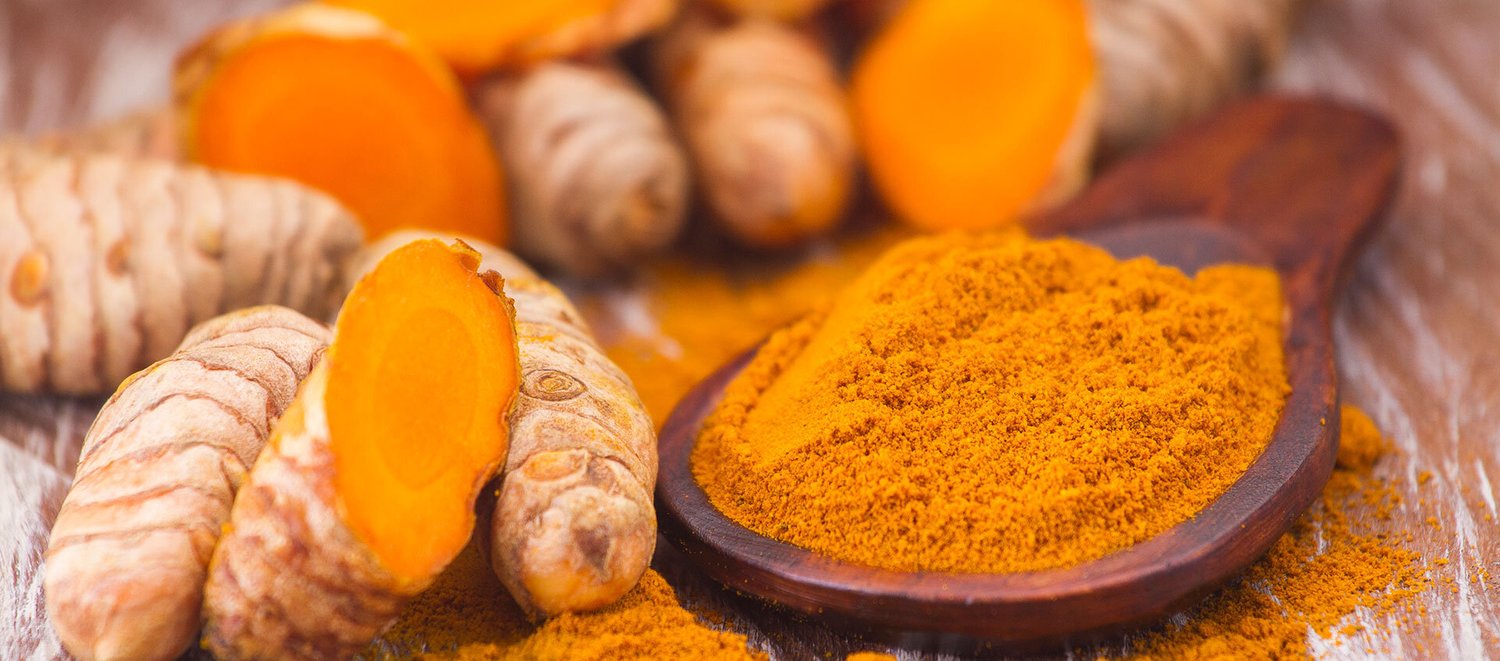
Turmeric is a bright yellow-orange spice commonly used in curries and sauces. It comes from the turmeric root. The spice has been used for its medicinal, antioxidant, and anti-inflammatory properties for thousands of years. Turmeric aids in making our immune system stronger, the main life-saving ingredient in turmeric is about 3-5 % of Curcumin.
A derivative, which contains healing properties. However, because of the low percentage levels in standardized turmeric powder, it is difficult to reap all benefits by just taking turmeric in small doses and thus supplements could be required.
-
Boosts Immune System
Curcumin helps up in boosting up immunity and helps to fight against viral replication. The medicinal properties in turmeric may be able to boost the immune system, even in people with immune disorders. It is theorized that turmeric can moderate the immune system.
2. Cold & Cough
As the temperature changes from warm to cold, it is very common for individuals to catch a common cold or flu. Turmeric helps the body naturally cleanse the respiratory tract, Turmeric helps fight the infection and it’s anti-inflammatory qualities relieve individuals from the direct impact of cold and flu.
3. Respiration
People having bronchial problems like Sinsuits, Sinus and many face a lot of problems due to lower immunity. Curcumin can be helpful in facing such problems and building up the immunity so that there should not be such kind of respiration Problems.
4. Upper Respiratory Tract Problems
Symptoms results in bronchial asthma, congestion of nose and airway due to inflammation, cough, cold and occasionally, shortness of breath, affecting children, adults, and the elderly population. Inflammation constricts the airways and makes it difficult to breathe. This is often related to an exaggerated response by the immune system that leads to chronic inflammation and damage to lung tissue by free radicals. Curcumin inhibits inflammation, relieves congestion and pain and thus improves your breathing.
5. Reduces Inflammation
Curcumin suppresses various inflammatory molecules that are responsible for the causes of the damage by viruses. It helps to reduce symptoms and provides relief.
6. Lowers cholesterol
Lowering LDL (or “bad”) cholesterol can help reduce your risk of developing some serious conditions, including heart disease and stroke. There is evidence that turmeric is effective at doing just that. For example, that found that a low dose of curcumin was associated with reduced LDL and total cholesterol levels.
How to Prepare Tumeric Tea
Turmeric tea is one of the popular forms of consuming turmeric. It has a unique but subtle flavor. The tea is also a great way to reap the positive health benefits of turmeric.
To make turmeric tea at home, follow these steps:
-
Boil 3 to 4 cups of water on the stove.
-
Add 2 teaspoons of turmeric and stir.
-
Simmer for about 5 to 10 minutes.
-
Strain the tea into another container.
-
Add in honey, freshly squeezed lemon or orange juice, and milk to taste.
Potential risks and complications
Turmeric is generally safe as long as you consume it in moderation (so don’t overdo it and drink it every day like crazy ). You should check with your doctor about drinking turmeric tea if you have had any of the following medical conditions:
-
inflammation of the gallbladder or gallbladder stones
-
obstruction of bile passages
-
stomach ulcers
-
diabetes (turmeric supplements may lower blood sugar)
Taking too much turmeric may cause side effects, however. These include:
-
increased stomach acidity, which can cause ulcers
-
a blood-thinning effect
Because turmeric may thin your blood, you should stop drinking turmeric tea two weeks before surgery. Do not take turmeric tea if you are on blood thinners, either.