
Before we start talking about High – GI foods, lets first clarify and understand what G.I stands for and means. G.I stands for Glycaemic Index.
It is an index used to assign a value to carbohydrate foods based on how quickly or slowly they digest in your stomach and affect your blood sugar level. Carbohydrates with a low GI of 55 or less are digested and absorbed slowly, therefore causing a slow rise in blood sugar levels.
Foods with a high glycaemic index of more than 70 digest faster and cause your blood sugar and insulin levels to spike fast and can cause problems like heart disease and obesity in the long term.
Now that we know exactly what the G.I in High-GI and Low-GI foods are below is a list of High-GI foods to avoid and Low-GI foods to include in your diet for a better and healthier body.
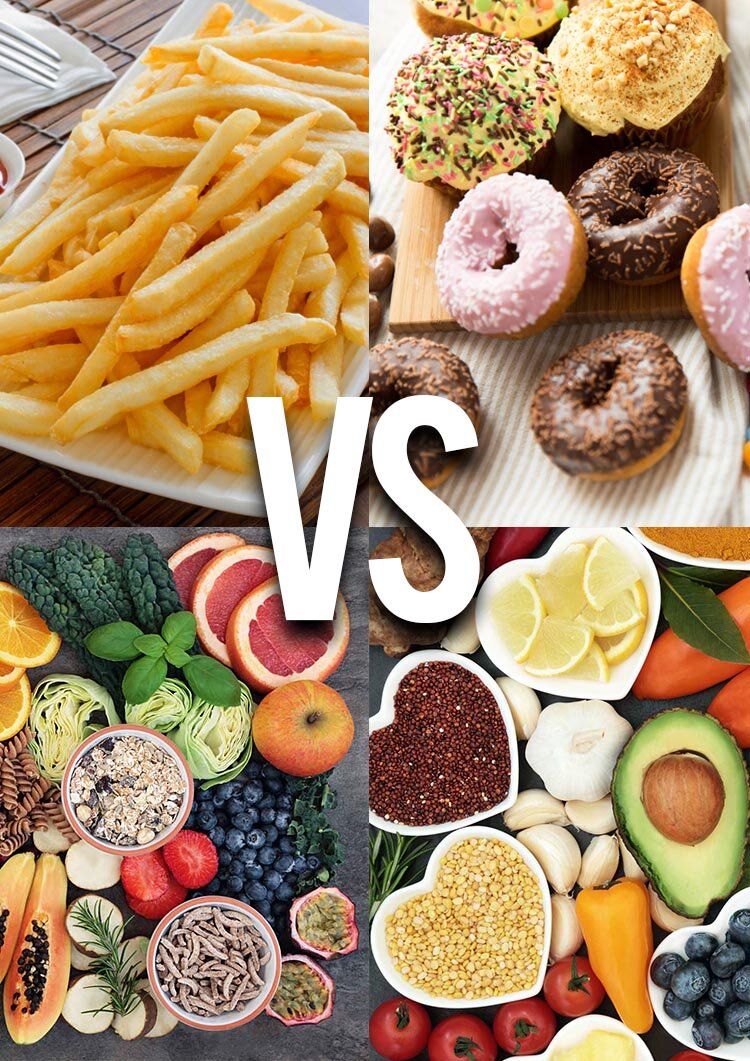
Carbohydrate foods are broken down quickly by your body and cause a rapid increase in blood glucose to have a high GI rating. High GI foods include:
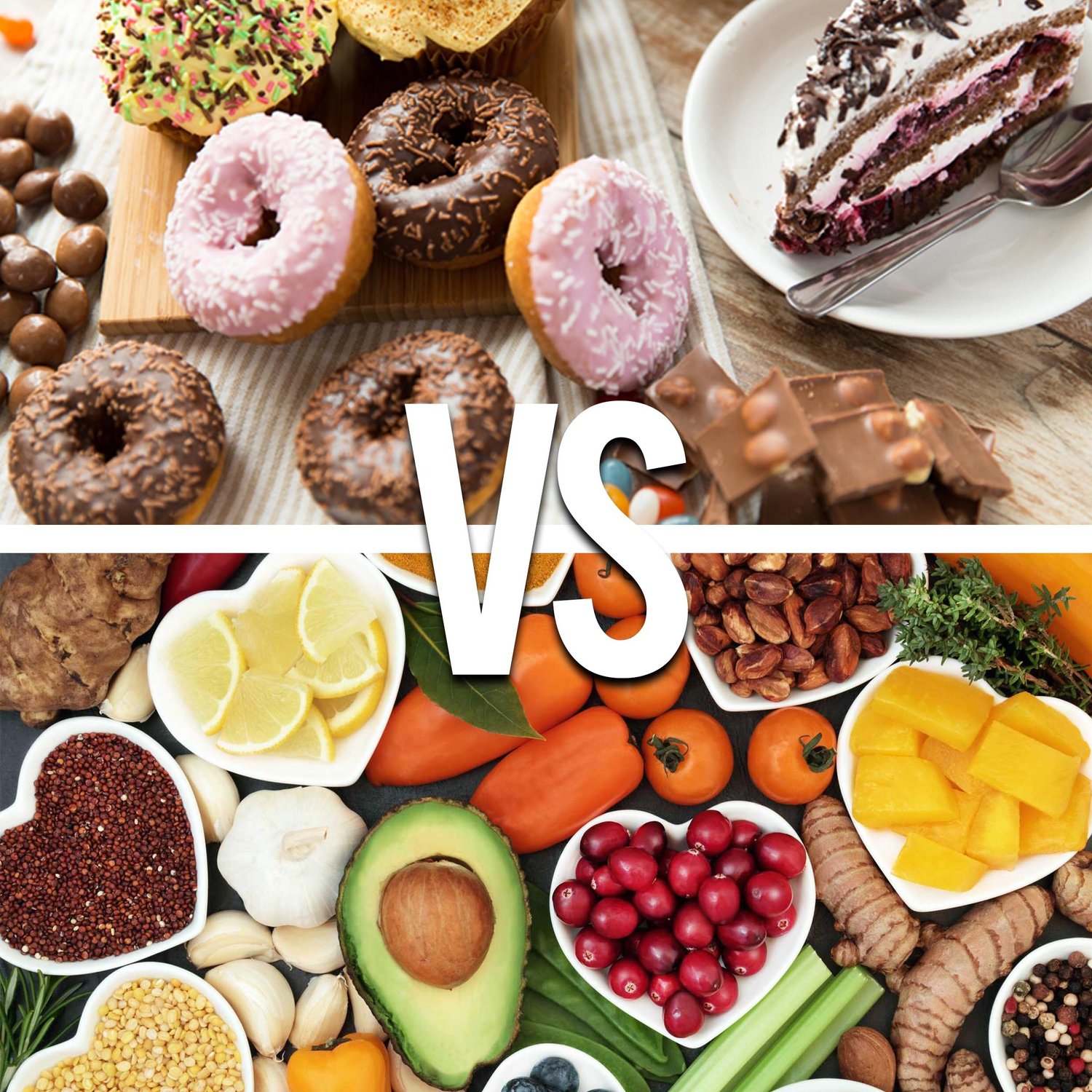
sugar and sugary foods
sugary soft drinks
white bread
potatoes
white rice
pineapples and melons
instant pasta
breakfast cereals
cookies & biscuits
Honey
Doughnuts
French fries
Pumpkin
Instant oatmeal
Pasta
Parsnips
Corn syrup
Table sugar
Low and medium GI foods Low or medium GI foods are broken down more slowly and cause a gradual rise in blood sugar levels over time. They include:
Fruit and vegetables
wholegrain foods
Oats
Peans and Peas
Non-starchy vegetables
Milk
Sweet potatoes
Brown Rice
Basmati rice
Couscous
Rye bread
Honey
Orange juice
Let us know if you’ve learned anything new in this Food Feature by leaving a comment below.