
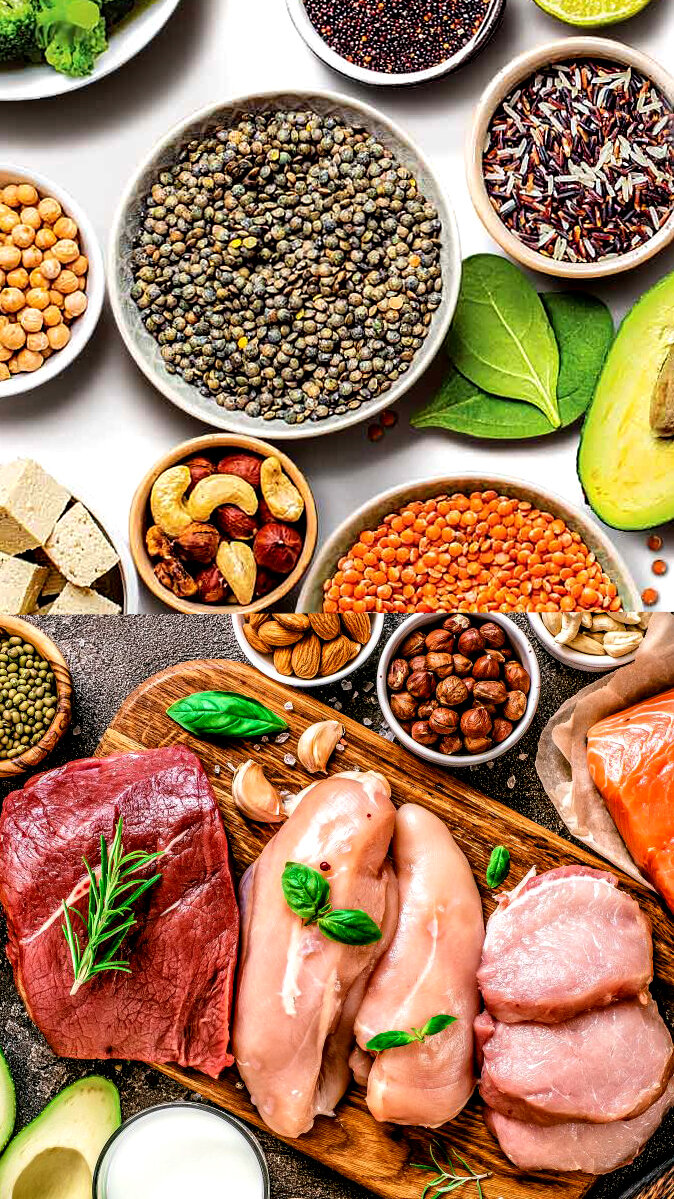
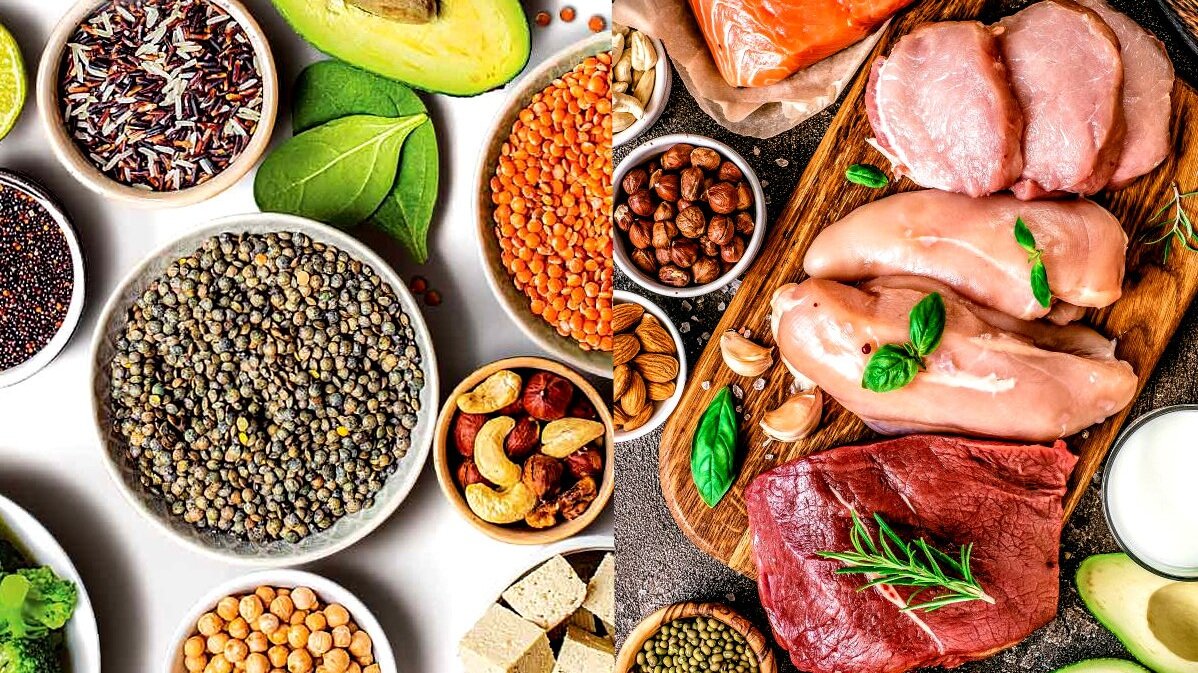
Animal Protein VS Plant Protien
One of the main differences between plant and animal proteins involves their amino acid contents. Amino acids are the building blocks of protein. When the body digests the proteins in food, it breaks them down into amino acids.
The body may need different amino acids at different times. Many people believe that the diet should include complete sources of protein, which contain all nine essential amino acids.
Some animal products are complete sources of protein, such as:
-
fish
-
various types of eggs
-
dairy products, such as cheese, milk, and whey
-
red meat from cows, bison, and deer
-
poultry from sources such as chickens, turkeys, and quails
-
meat from less common sources, including boars, hares, and horses
Most plant proteins are incomplete, which means that they are missing at least one of the essential amino acids. However, some plant-based foods, such as quinoa and buckwheat, are complete sources of protein.
It is important for vegetarians and vegans to mix their protein sources and ensure that they are getting all of the essential amino acids. Also, keep in mind that some sources of plant protein may take longer for the body to digest and use.
The following are examples of plant-based foods rich in protein:
-
grains
-
lentils
-
nuts
-
beans
-
legumes
-
certain fruits, such as avocados
-
soy
-
hemp
-
rice
-
peas
Many other nuts, grains, and vegetables also contain high amounts of protein.